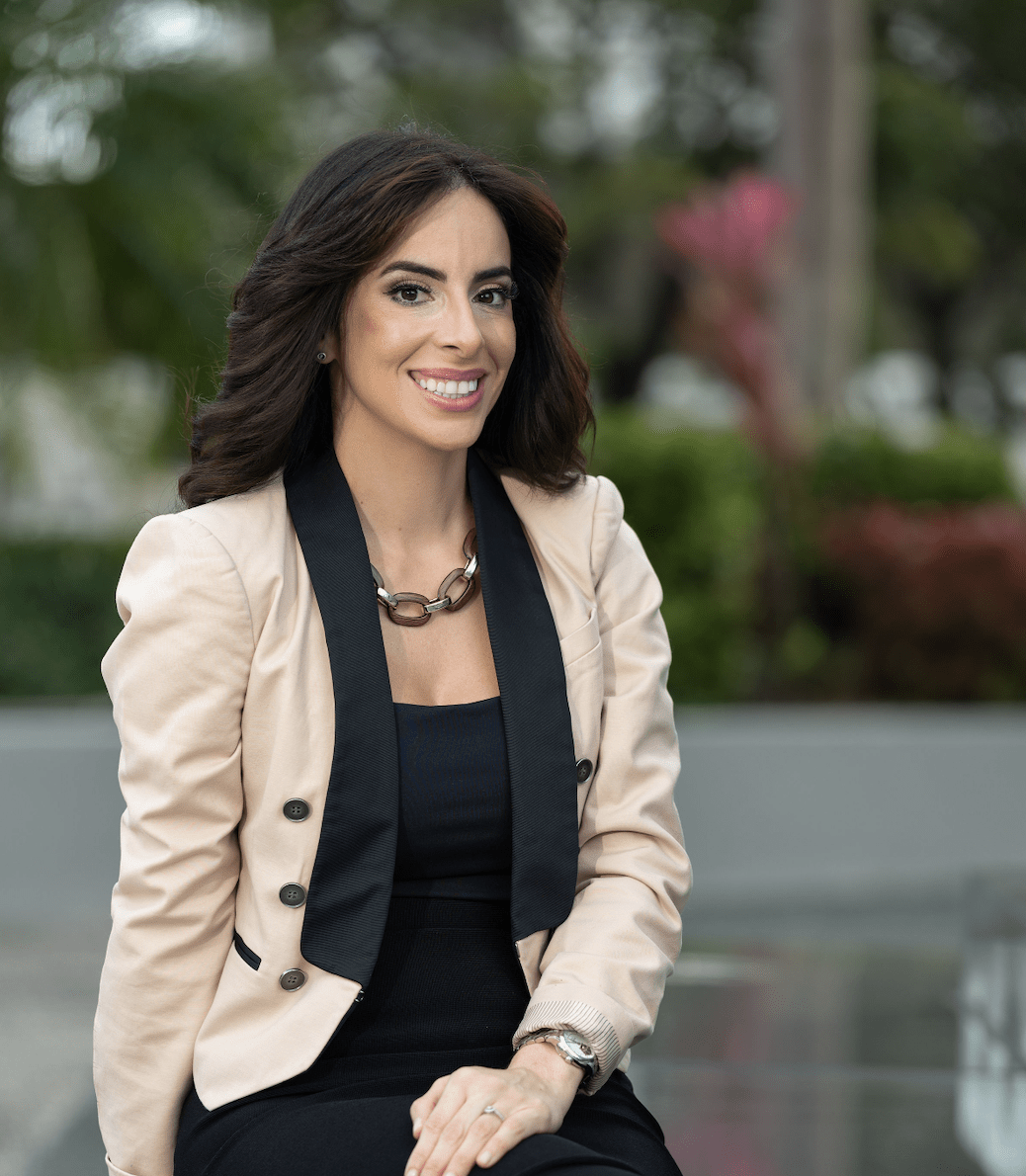
By Maria Isabel Santiago, Esq.
Living in Puerto Rico is unlike relocating anywhere else on the map. As both a licensed real estate broker and a corporate attorney, I've guided hundreds of clients through the move.
Here's what I tell clients who are seriously considering it.
Key Takeaways
- Puerto Rico is a US territory: US citizens do not need a passport, visa, or immigration paperwork. The move is domestic, and the US dollar is the currency throughout the island
- Community selection shapes everything: San Juan, Dorado, Rincon, and Fajardo each offer a fundamentally different lifestyle. Matching the right community to how you want to live is the first decision to get right
- Costs cut both ways: Housing is less expensive than comparable US metros, but electricity and imported goods cost more. The overall picture is typically 10 to 30 percent less expensive for a comparable lifestyle
- Act 60 tax incentives are real and require compliance: IRS enforcement increased significantly in 2025, and the rules are non-trivial
The Basics: What Makes Puerto Rico Different from a Mainland Move
For US citizens, the move to Puerto Rico is a domestic relocation with a Caribbean backdrop.
- No passport, no visa: US citizens travel on a domestic ticket. The move does not affect citizenship and requires no immigration paperwork.
- US dollar, US laws, federal courts: The island operates in dollars and federal agencies serve residents. Puerto Rico has its own legislature, Property Registry, and civil law tradition influenced by Spanish legal history, all of which matter in real estate transactions.
- Two official languages: Spanish is the primary language across most of the island. English is widely spoken in business and urban areas. Picking up conversational Spanish opens the full richness of community life.
- Hurricane preparedness is part of island life: Hurricane season runs June through November, with peak activity in August and October. Solar-plus-battery systems have become standard in newer homes and premium renovation projects.
Puerto Rico's legal framework is distinct from the mainland, and working with an attorney who understands both is the foundation of a clean transaction.
Where to Live
Puerto Rico is not a single place but a collection of communities, each with its own personality and lifestyle proposition.
- San Juan: The capital is a full-spectrum city. Condado offers beachside urban living with walkable restaurants and nightlife. Old San Juan's colorful colonial buildings and cobblestone streets make it one of the Caribbean's most distinctive walkable neighborhoods.
- Dorado: Approximately 30 minutes west of San Juan, Dorado has become the preferred address for families, professionals, and Act 60 residents who want luxury in a planned, gated setting. Dorado Beach, a Ritz-Carlton Reserve property, anchors the high end.
- Rincon: The west coast surfer town is a different proposition. Sunset views over the Mona Passage, a slower pace, and a community built around outdoor life. Significantly more affordable than San Juan or Dorado.
- Fajardo and the East: Close to El Yunque National Forest, the eastern coast offers marina access, proximity to the offshore cays, and a quieter residential character for buyers who want nature and water access.
I consistently recommend visiting multiple communities in person before committing to a neighborhood.
Cost of Living: What Costs More and What Costs Less
The cost picture for living in Puerto Rico depends on what you consume.
- Housing: Significantly less expensive than comparable US metros. Home prices rose in Q1 2025, but values remain well below San Francisco, New York, or Miami for comparable properties.
- Electricity: Roughly twice the national average per kilowatt-hour, and the single largest cost surprise for new arrivals. Solar power with battery backup has become standard in quality homes for precisely this reason.
- Imported goods: The Jones Act requires goods shipped between US ports to travel on US-flagged vessels, adding cost to electronics, specialty food, and many consumer goods. Local produce and anything grown or made on the island is priced well.
Budget for higher utilities and imported goods. The overall picture almost always favors clients relocating from high-cost mainland markets.
Act 60 Tax Incentives
- What it is: Act 60 (2019) consolidated the Export Services Act and Individual Investors Act into a single framework. Benefits are granted through legally binding decrees with the Puerto Rico government.
- Individual Investor chapter: Qualifying bona fide residents may receive full exemptions on Puerto Rico-source dividends, interest, and post-residency capital gains. Key requirements include 183 days per year on the island, purchasing Puerto Rico residential property within two years, and a $10,000 annual charitable donation.
- Export Services chapter: Businesses performing services in Puerto Rico for clients outside the island qualify for a 4 percent corporate tax rate, full dividend exemption, and significant property and municipal tax exemptions.
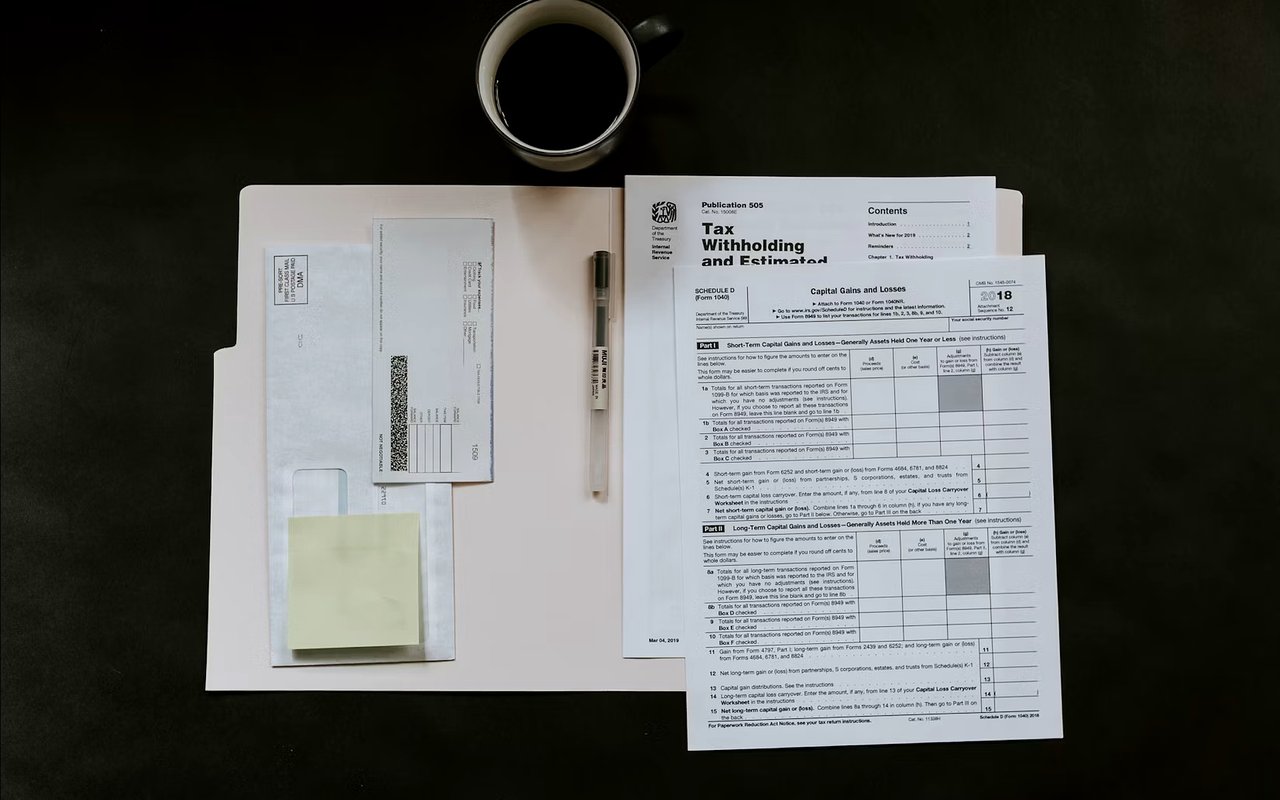
- Compliance and enforcement: IRS enforcement increased significantly in 2025, with nearly 1,800 audits by Puerto Rico's Office of Business Incentives.
Act 60 is a powerful tool, but only when structured correctly from the beginning.
FAQs
Do I need a passport or visa as a US citizen moving to Puerto Rico?
No. Puerto Rico is a US territory, and US citizens relocate on a domestic basis (no passport, no visa, no immigration filing). You will need to update your driver's license within 60 days of establishing residency, register your vehicle, and establish a Puerto Rico mailing address.
How does hurricane season actually affect daily life?
Residents prepare for hurricane season the way mainland residents in tornado or flood zones prepare. Solar power with battery backup provides energy independence during outages. Choose a well-constructed property, get the right insurance coverage, and have a clear emergency plan.
Do I need to speak Spanish to live in Puerto Rico?
Fluency is not required. English is widely spoken in San Juan, Dorado, and the business and real estate communities where most relocators spend their time. Daily life becomes significantly richer with basic conversational Spanish because the deeper neighborhood character of the island opens up when you can communicate comfortably.
Ready to Explore Puerto Rico?
I work across San Juan, Dorado, Rincon, and throughout Puerto Rico as both a licensed real estate broker and a corporate attorney who can navigate the full transaction, including Act 60 counseling and compliance.
If you're seriously exploring what living in Puerto Rico looks like for your specific situation, reach out to me, Maria Isabel Santiago, Esq.
If you're seriously exploring what living in Puerto Rico looks like for your specific situation, reach out to me, Maria Isabel Santiago, Esq.