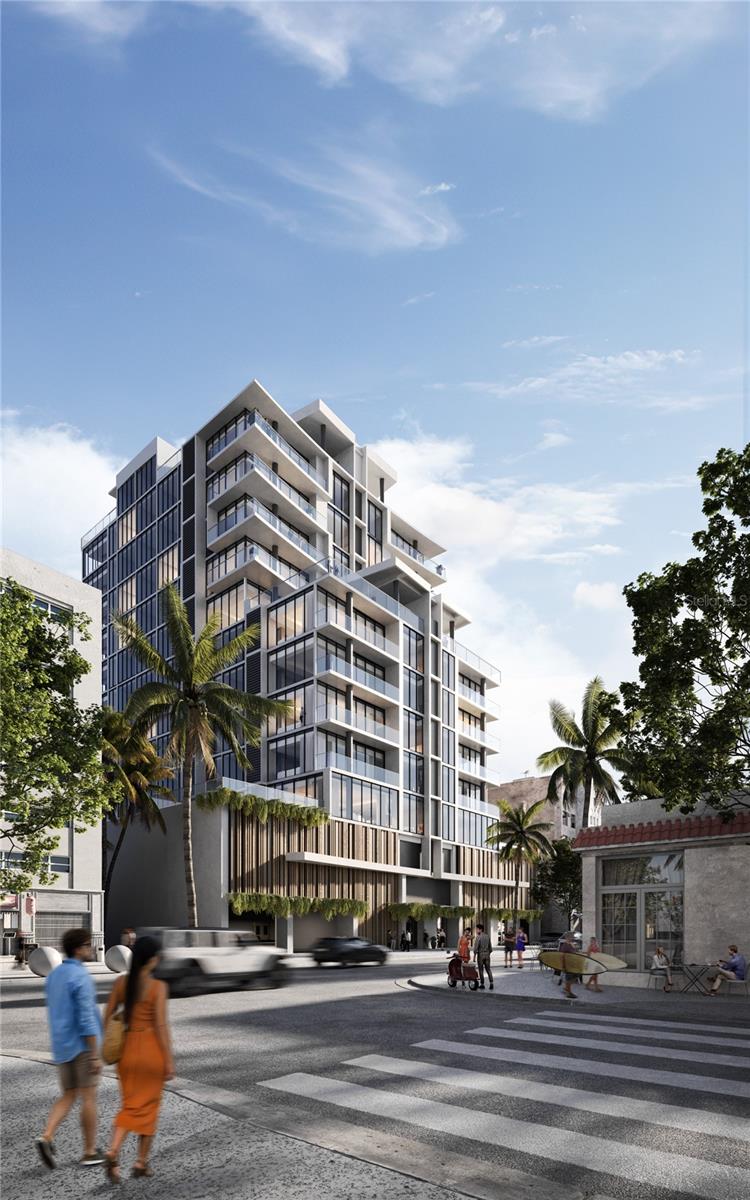
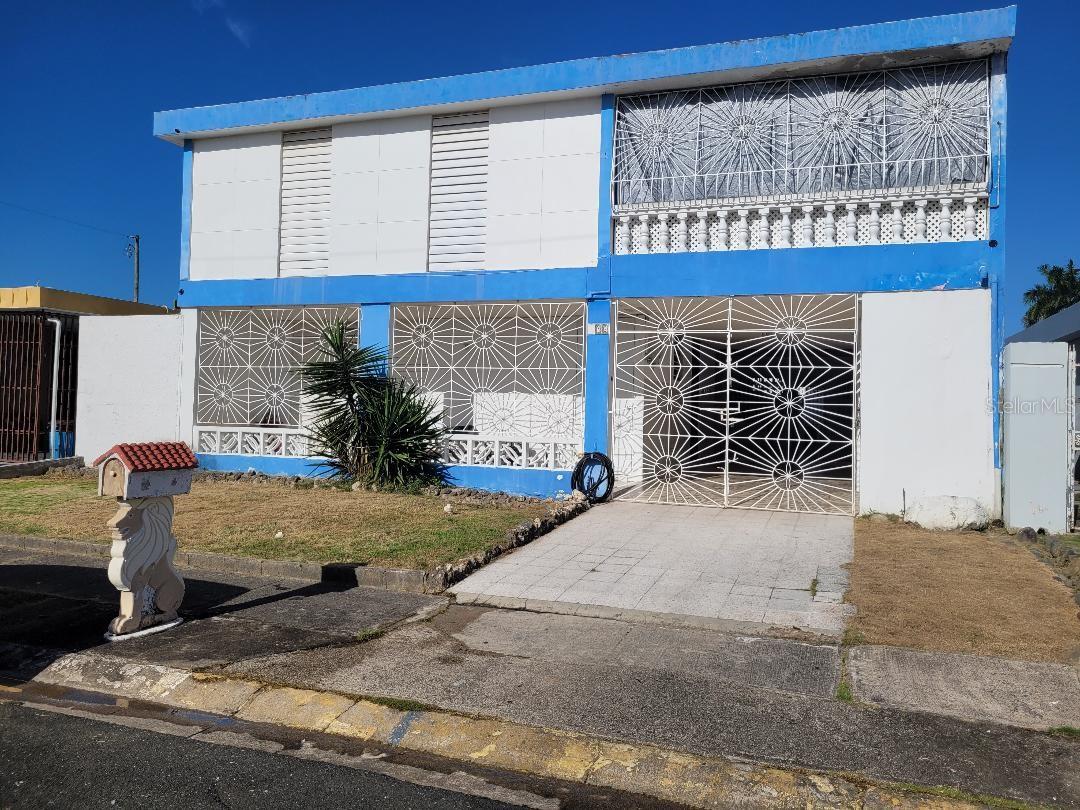
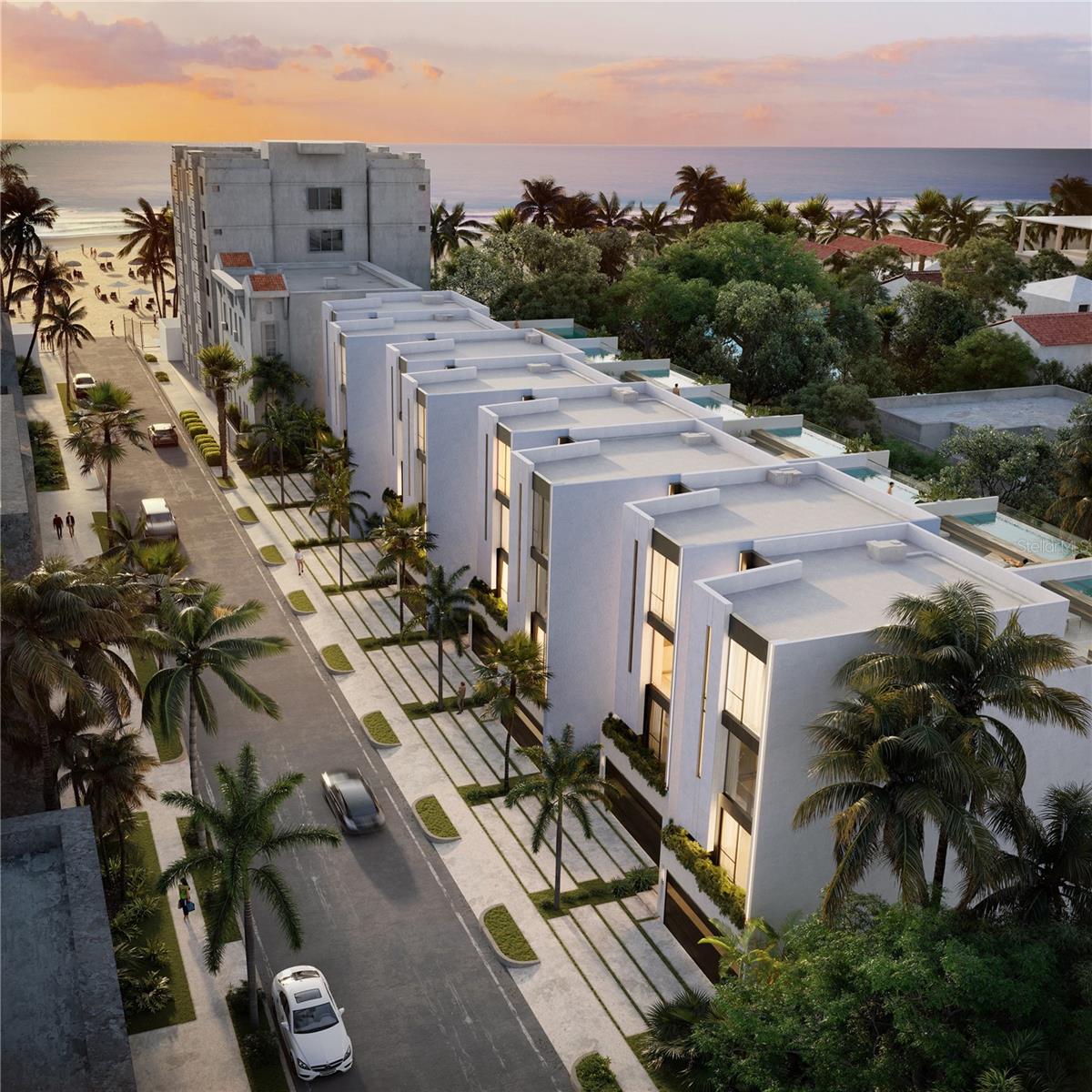
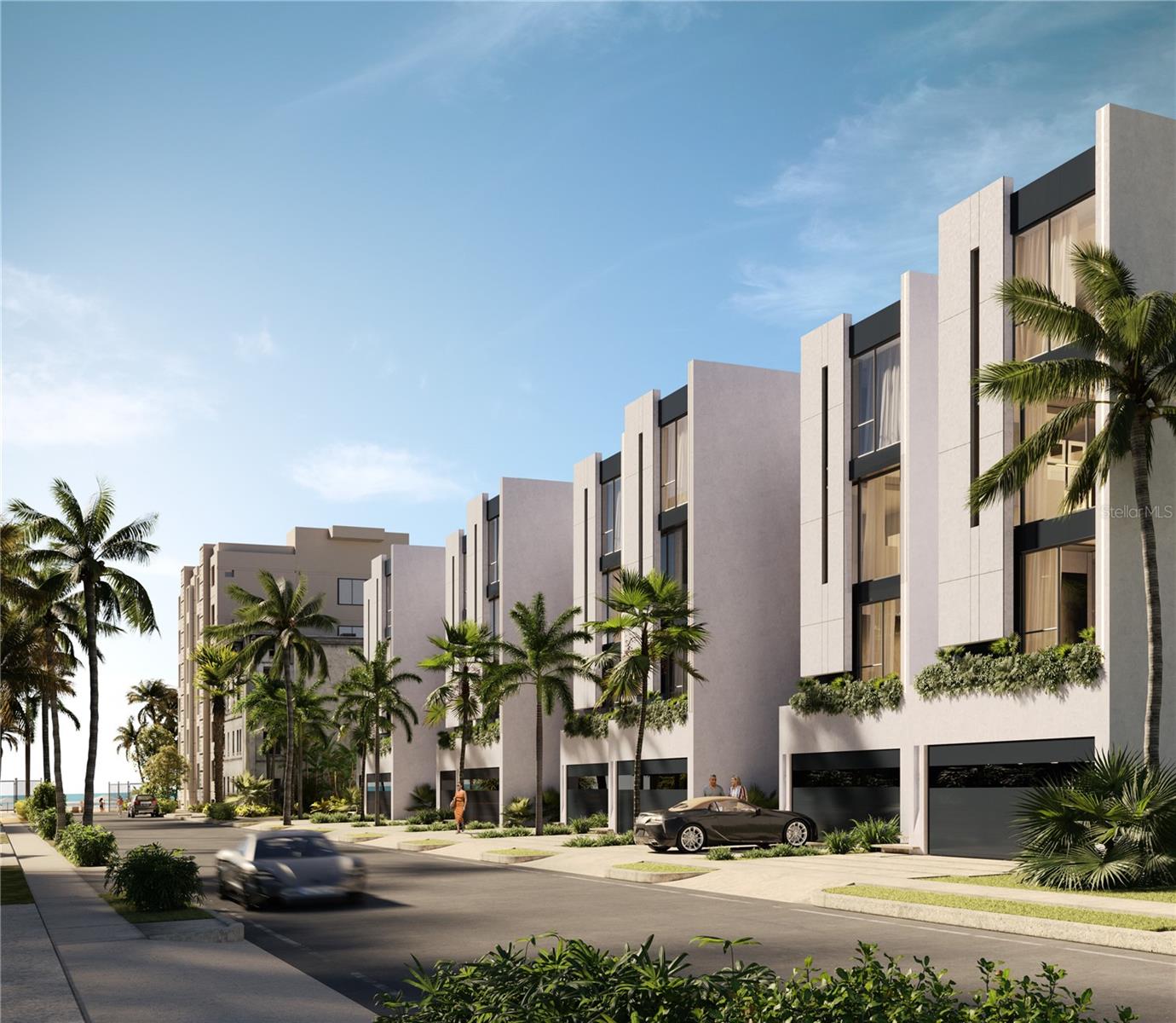
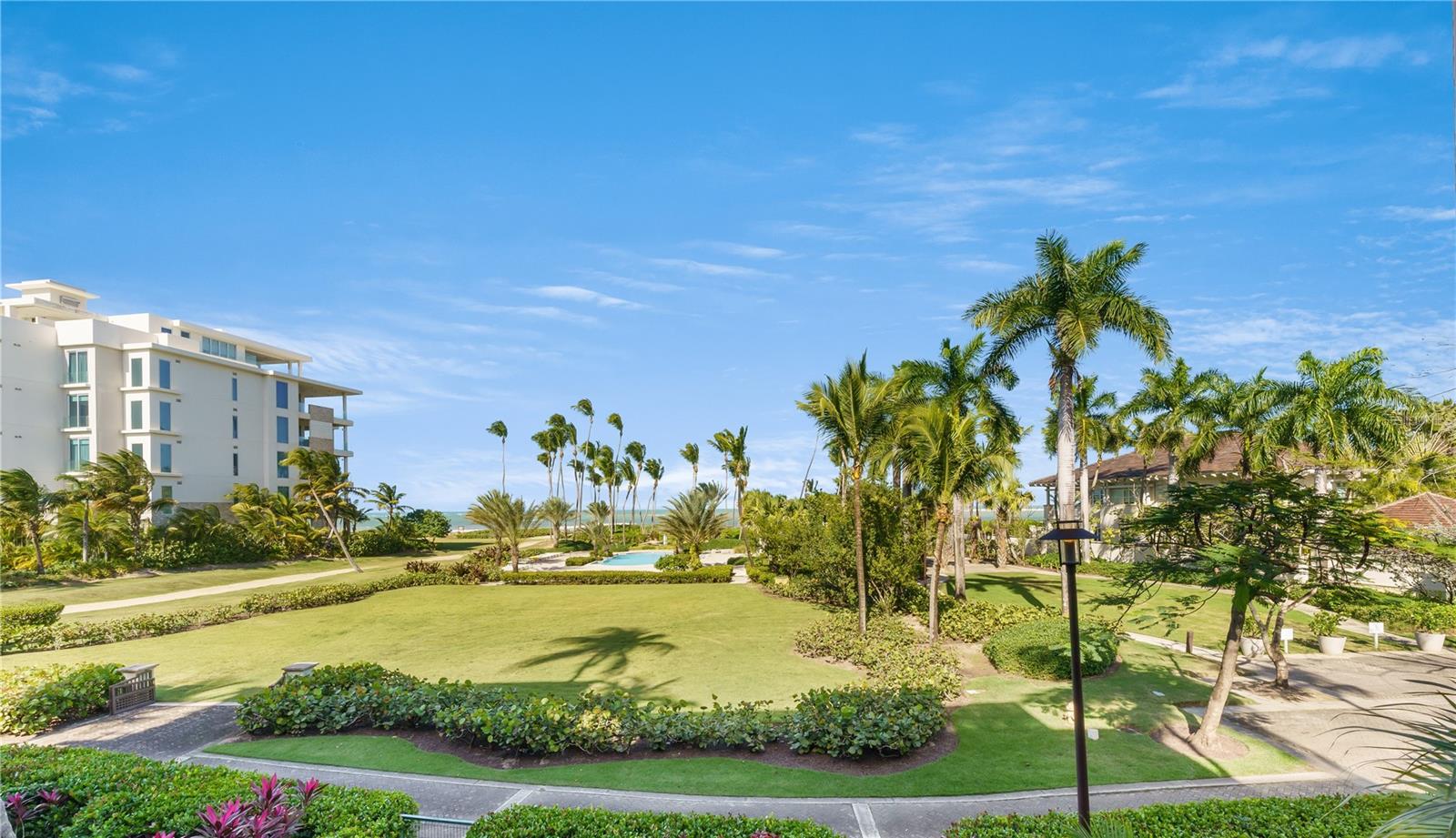
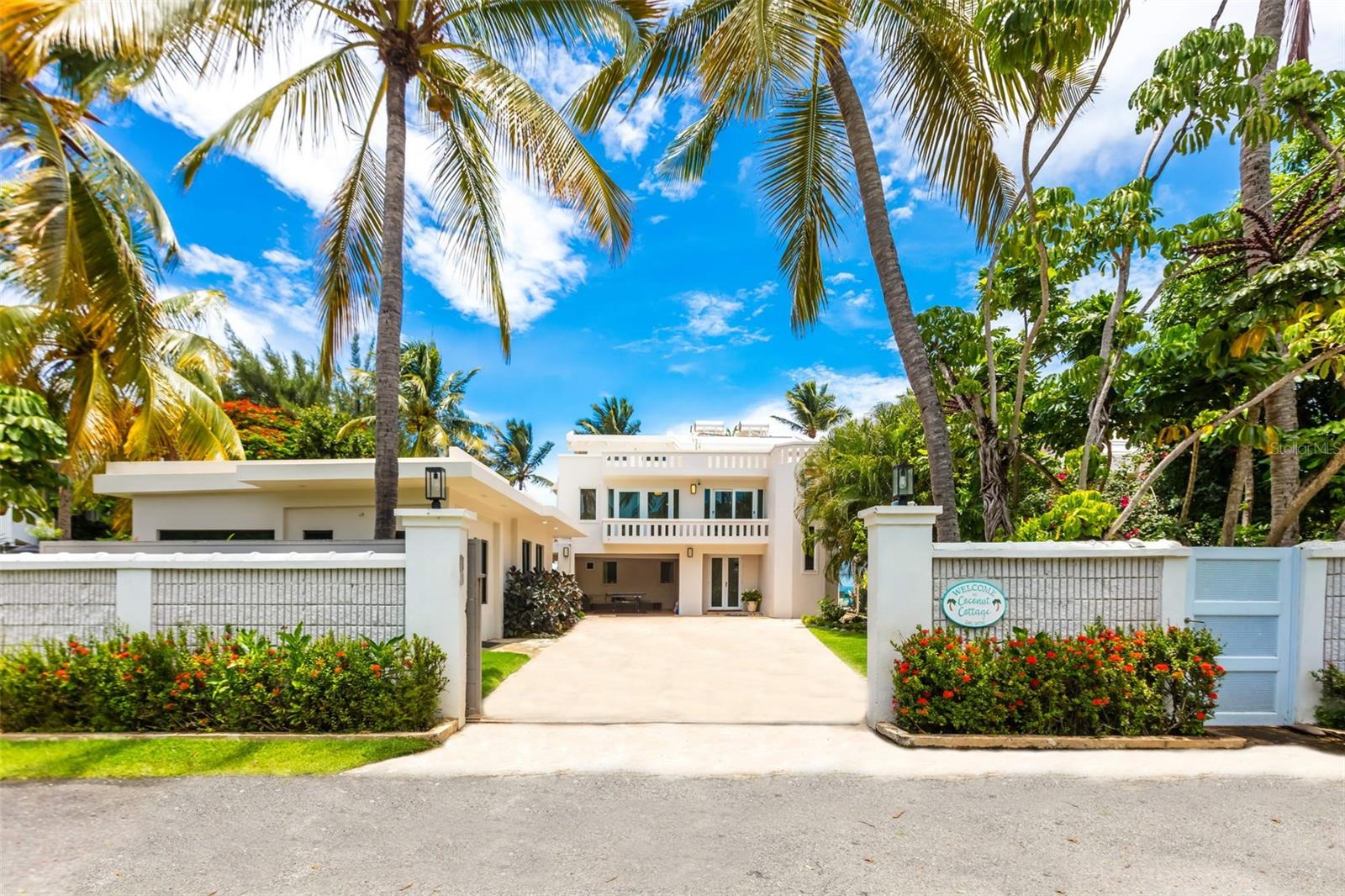
The island's urban centers are not just dense pockets of commerce; they are living, breathing communities shaped by centuries of Spanish colonial history, Caribbean culture, and modern American infrastructure. City living in Puerto Rico offers cosmopolitan amenities layered over a tropical backdrop, all within the U.S. legal and financial system.
A Tapestry of Nature and Urban Energy
Puerto Rico is celebrated for its lush El Yunque rainforest, turquoise coastlines, and a rich network of outdoor adventures, but its urban core is equally compelling. San Juan, the island's capital, functions as a full-scale metropolitan area with an international airport, major hospitals, universities, and a diverse economy spanning finance, pharmaceuticals, tourism, and technology.
The island's culinary scene reflects its layered cultural heritage. Taino indigenous roots, Spanish colonial influence, West African traditions, and contemporary American trends have combined into a food culture that draws chefs and food enthusiasts from across the world, from traditional mofongo at a family-owned plaza restaurant to James Beard-recognized tasting menus in Santurce.
Puerto Rico operates under U.S. federal law, uses the U.S. dollar, and shares the same federal banking and postal systems as the mainland. Residents maintain their U.S. citizenship and can travel freely between the island and the mainland without a passport, though access to some federal programs differs from the states.
San Juan: Puerto Rico's Urban Capital
San Juan is the economic, political, and cultural hub of Puerto Rico. City-limit population has been gradually declining in recent years and now sits at roughly 300,000 residents, while the broader San Juan–Bayamón–Caguas metropolitan area is home to about 2.4 million people. The city is divided into distinct neighborhoods, each with a different personality, price point, and lifestyle offering. Whether you prefer historic colonial charm, waterfront resort living, creative-district energy, or quiet residential streets, San Juan has a neighborhood to match.
The city's infrastructure is the most developed on the island. San Juan is served by Luis Muñoz Marín International Airport, the busiest airport in the Caribbean, with direct flights to major U.S. hubs and international destinations. The Tren Urbano rail system connects several key neighborhoods and suburban areas such as Bayamón and Guaynabo, and the city's road network is extensive compared to other parts of the island.
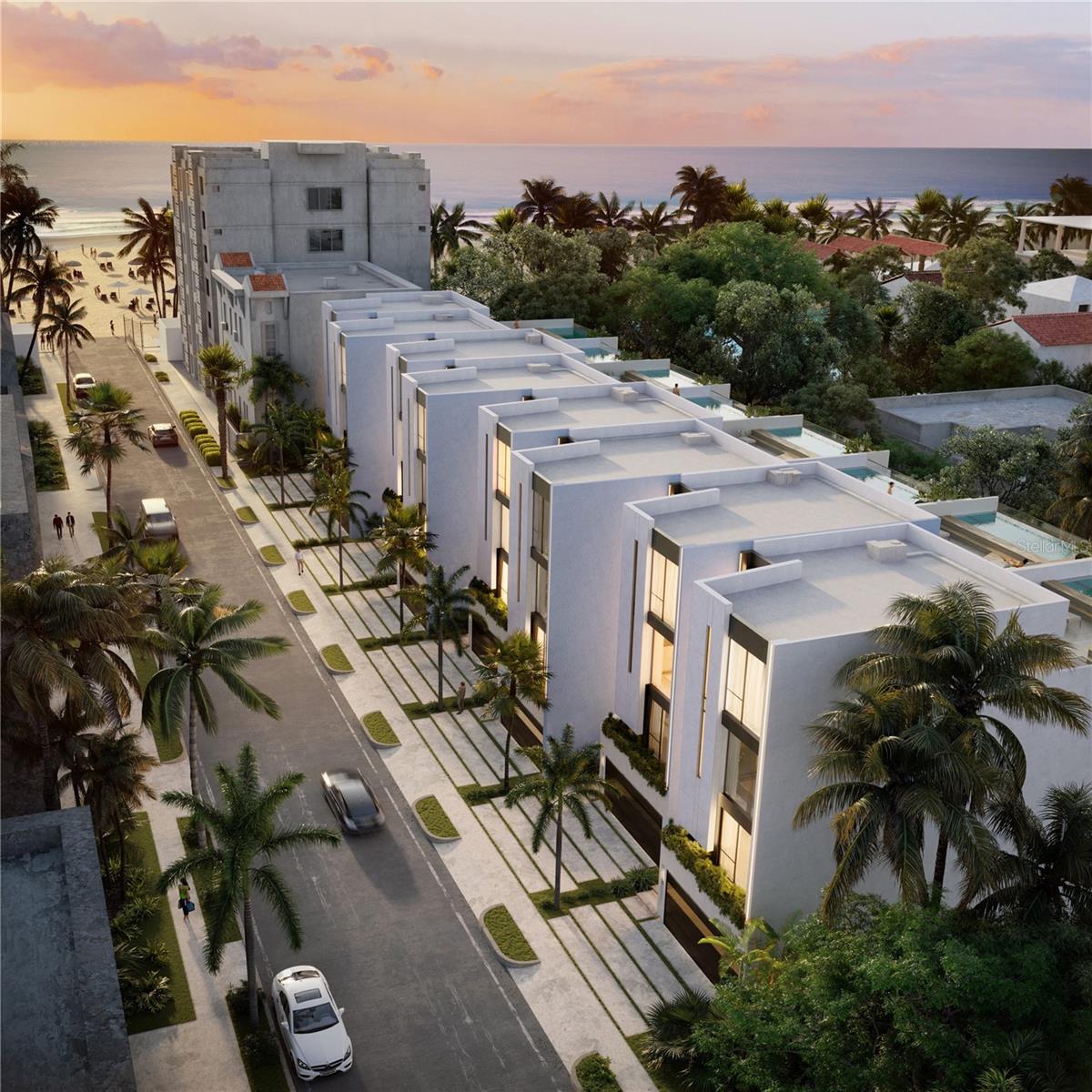
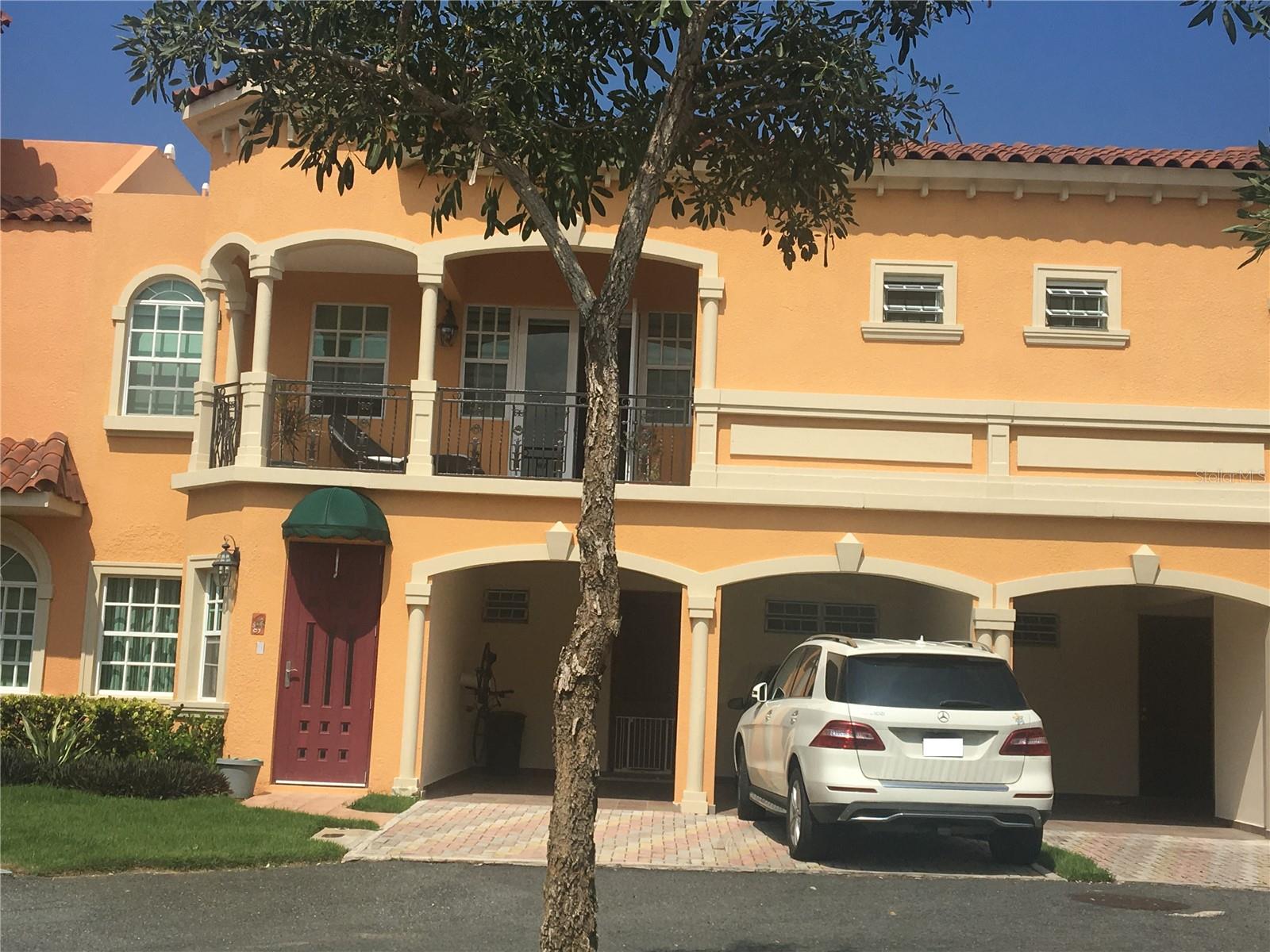
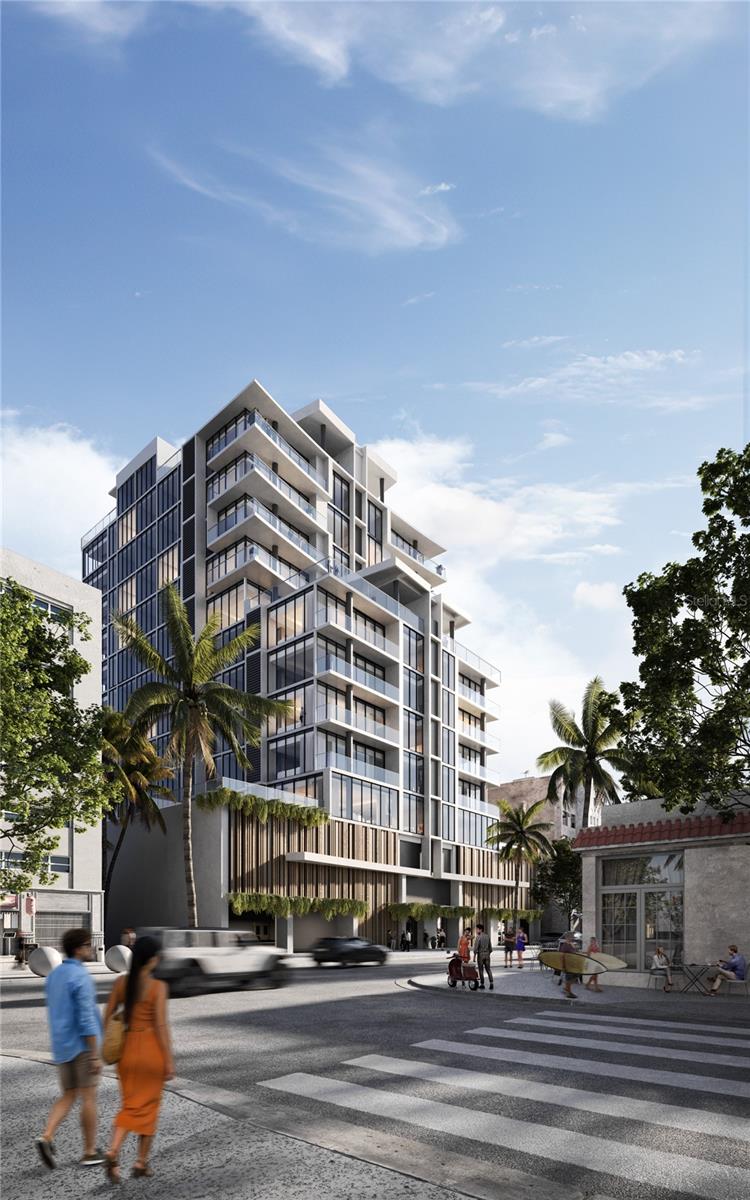
San Juan's real estate market spans a wide range of property types, from historic townhomes and luxury condominiums in Old San Juan to beachfront towers in Isla Verde and renovated Art Deco apartments in Santurce. Property values have appreciated steadily in desirable urban neighborhoods, driven by demand from relocating professionals, remote workers, and investors attracted by Puerto Rico's tax incentive programs.
Explore San Juan's Urban Core
Old San Juan: Historic Heart of the City +
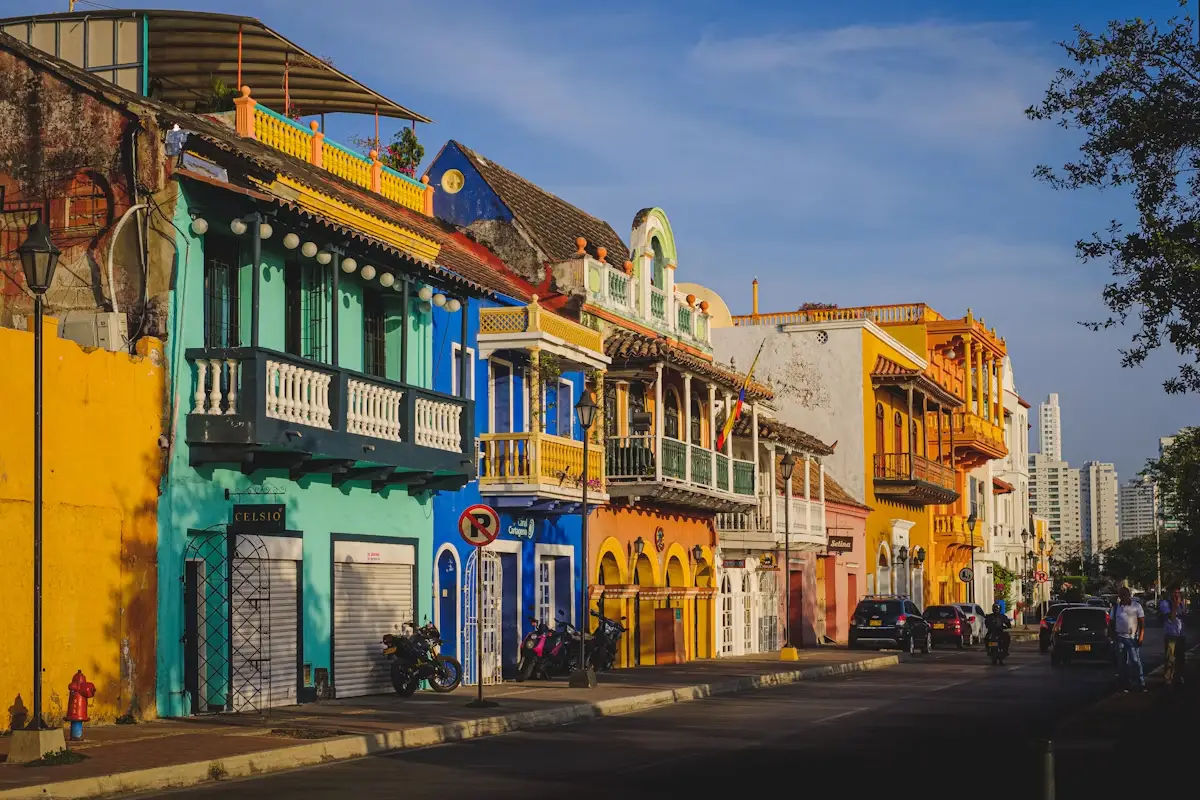
Old San Juan is one of the oldest continuously inhabited European settlements in the Americas, founded by Spanish colonizers in 1521. The neighborhood is enclosed by massive 16th-century fortification walls; its fort complex, along with La Fortaleza, makes up the La Fortaleza and San Juan National Historic Site, a UNESCO World Heritage Site since 1983 that includes Castillo San Felipe del Morro and Castillo San Cristóbal. Walking its narrow, blue-cobblestone streets lined with vividly painted colonial buildings is an experience with no equivalent in the continental United States.
Despite its historic designation, Old San Juan is a fully functioning residential neighborhood, not a museum. An estimated few thousand residents live within the walled city, sharing blocks with boutique hotels, acclaimed restaurants, art galleries, and lively bars. The neighborhood has seen significant reinvestment over the past decade, attracting a younger, creative population that has fueled a wave of new food and nightlife concepts.
Real estate in Old San Juan is among the most coveted on the island. Colonial-era buildings have been converted into luxury condominiums and restored townhomes, many featuring original masonry walls, interior courtyards, and rooftop terraces with views of San Juan Bay or the Atlantic Ocean. Inventory is limited by the historic preservation requirements that govern the district, which has kept property values here resilient.
Condado: Cosmopolitan Beachfront Living +
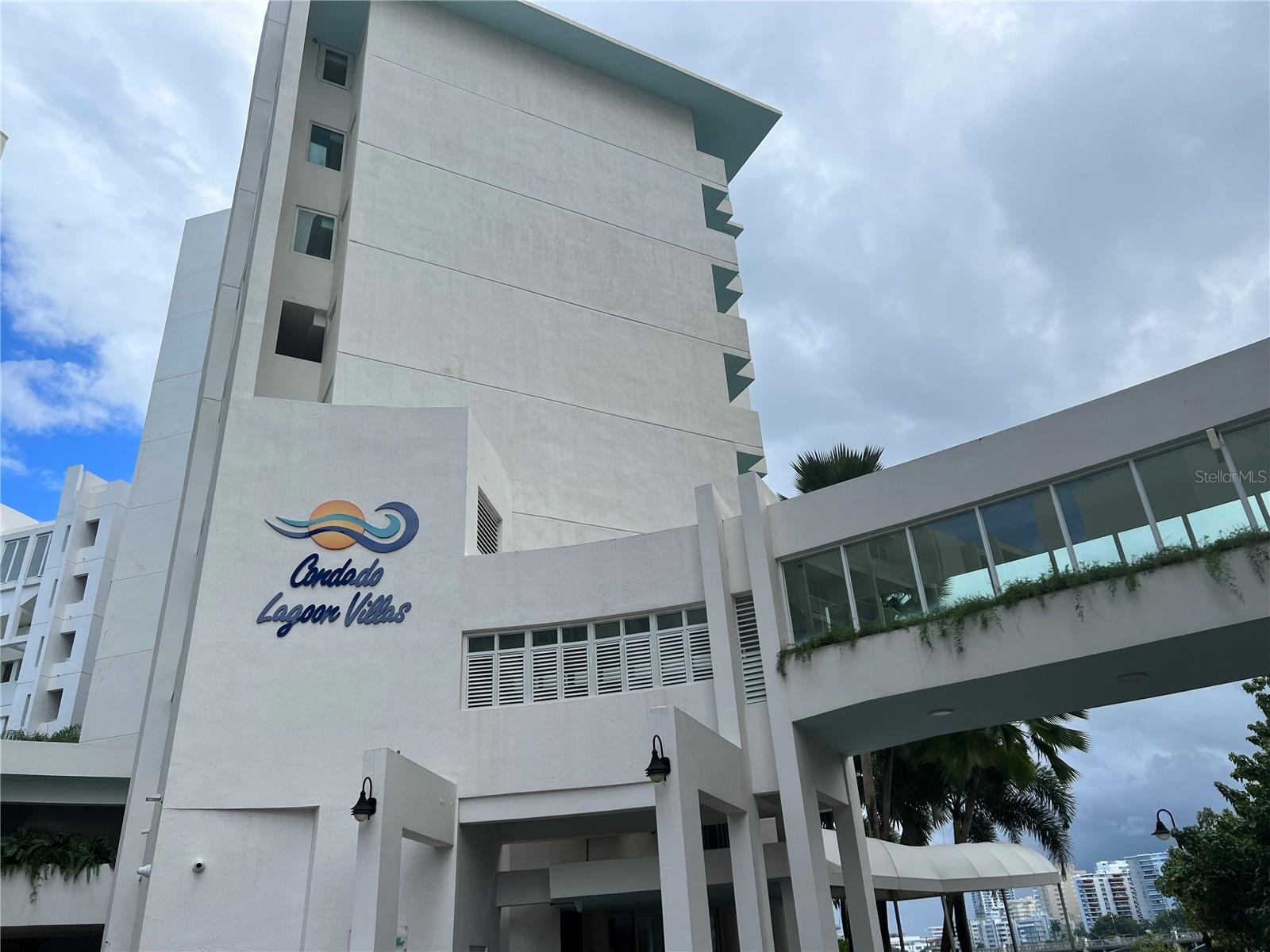
Condado is San Juan's most recognizable upscale neighborhood, stretching along a narrow peninsula between the Atlantic Ocean and the Condado Lagoon. The area is dense with luxury hotels, high-rise condominiums, designer boutiques, and acclaimed restaurants, giving it an energy that attracts both tourists and long-term residents. Ashford Avenue, Condado's main commercial corridor, is one of the most valuable retail streets in the Caribbean.
The neighborhood draws a diverse mix of residents, including Puerto Rican professionals, relocating Americans taking advantage of Act 60 tax incentives, and international buyers seeking a Caribbean pied-à-terre. Real estate options include everything from oceanfront penthouses in luxury towers to smaller condominiums in mid-rise buildings a few blocks from the beach. Condado consistently commands some of the highest per-square-foot prices in Puerto Rico's residential market.
Condado's walkability sets it apart from most Puerto Rican neighborhoods. Residents can walk to the beach, grocery stores, pharmacies, fitness studios, and dozens of restaurants without needing a car. The neighborhood also sits between Old San Juan to the west and Isla Verde to the east, with easy highway access to the rest of the metro area.
Miramar: Cultural Richness in the Heart of San Juan +
Miramar sits just south of Condado, bordered by the Condado Lagoon to the north and the Bay of San Juan to the west. The neighborhood is primarily residential, characterized by wide tree-lined streets, substantial early 20th-century homes, and a quieter pace than the beachfront districts surrounding it. It appeals to buyers and renters who want proximity to San Juan's amenities without the tourist-heavy atmosphere of Condado or Isla Verde.
Miramar is home to several of San Juan's most significant civic and cultural anchors. The Puerto Rico Convention Center, the island's largest event venue, hosts international conferences, trade shows, and concerts throughout the year. El Distrito, a mixed-use entertainment and dining complex adjacent to the convention center, has become one of the city's premier nightlife and food destinations.
The neighborhood has also become a hub for boutique hotels, creative agencies, and design-forward restaurants. Its real estate inventory leans toward historic single-family homes and smaller apartment buildings, which often offer more square footage per dollar than comparable properties in Condado.
Isla Verde: Resort-Style Living with a Caribbean Twist +
Isla Verde is located in the municipality of Carolina, directly east of San Juan proper, and is widely considered the island's premier beachfront district. The neighborhood is anchored by Isla Verde Beach, a wide stretch of white sand consistently rated among the best urban beaches in the Caribbean. International hotel brands including Marriott, InterContinental, and Hyatt operate flagship properties here, giving the neighborhood a distinctly resort-like character.
Beyond tourism, Isla Verde has a substantial permanent residential population that values proximity to Luis Muñoz Marín International Airport, an advantage for frequent travelers and remote workers maintaining ties to the mainland. The neighborhood's real estate market is dominated by condominium towers, many positioned directly on or near the beach. High-end units in buildings like ESJ Towers and The Ritz-Carlton Residences offer full amenity packages including pools, concierge services, and private beach access.
Isla Verde Avenue offers a dense concentration of restaurants, grocery stores, pharmacies, and service businesses, making daily errands manageable without leaving the neighborhood. Nightlife here is among the most active on the island, anchored by hotel casinos, rooftop bars, and clubs that draw both locals and visitors.
Santurce: Puerto Rico's Creative and Cultural District +
Santurce is the largest and most populous district within San Juan, and it has undergone one of the more dramatic urban transformations of any Caribbean neighborhood in the past two decades. Once an overlooked area, Santurce has become a cultural and creative center for the island, home to a growing arts scene, independent restaurants, record stores, street murals, and a generation of Puerto Ricans who invested in their community after Hurricane Maria.
The neighborhood's central artery, Calle Loiza, has drawn international recognition as an urban renewal story. Dozens of locally owned restaurants, coffee shops, natural wine bars, and independent boutiques line the street, many operating out of renovated early 20th-century commercial buildings. Chefs based in Santurce, including James Beard-recognized names, have helped put the neighborhood's food scene on the national map. The annual Santurce Es Ley art festival transforms the streets into an open-air gallery.
For buyers and renters, Santurce offers more value per square foot than Condado or Isla Verde, while being equally central and walkable in key pockets. The neighborhood's Art Deco apartment stock, combined with newer boutique condo developments, creates inventory suited to first-time buyers, investors, and creative professionals.
Which Neighborhood Fits You?
A quick side-by-side drawn from the profiles above.
| Neighborhood | Known For | Best For |
|---|---|---|
| Old San Juan | Colonial fortresses, UNESCO history, cobblestone streets | Buyers who want history and character |
| Condado | Beachfront towers, Ashford Avenue, walkability | Buyers who want upscale amenities and beach access |
| Miramar | Convention Center, El Distrito, lagoon-view homes | Buyers who want space near downtown culture |
| Isla Verde | Beachfront hotels, airport proximity, nightlife | Buyers who want resort-style daily living |
| Santurce | Arts scene, Calle Loiza, independent restaurants | Buyers who want value and creative-community energy |
Landmarks of Old San Juan
Castillo San Felipe del Morro
16th-century fortress guarding San Juan Bay
Castillo San Cristóbal
One of the largest Spanish forts in the Americas
San Juan National Historic Site
UNESCO World Heritage Site since 1983, with La Fortaleza
Catedral de San Juan Bautista
One of the oldest cathedrals in the Americas
Living Conditions and Considerations
Budgeting for Island Life
Puerto Rico's overall cost of living is lower than most major U.S. coastal cities, but San Juan specifically requires careful planning. Grocery costs tend to run higher than mainland averages, a gap often attributed to the Jones Act, the federal law requiring goods shipped between U.S. ports to travel on U.S.-flagged vessels; economists disagree on the exact size of that premium, with estimates ranging from negligible to substantial depending on the study. Dining, entertainment, and services, however, tend to be meaningfully less expensive than comparable offerings in cities like Miami, New York, or Los Angeles.
Housing costs vary significantly by neighborhood and property type. A luxury oceanfront condominium in Condado or Isla Verde can command prices comparable to premium Miami properties, while a renovated apartment in Santurce or a family home in Miramar may offer considerably more value. Rental demand has increased since 2020, driven by remote workers and Act 60 residents, pushing rates upward in the most desirable neighborhoods.
Getting Around San Juan
San Juan is a car-dependent city by design, and most residents rely on personal vehicles for daily transportation. The Tren Urbano rail system serves several key stations across the metro area but does not extend to coastal neighborhoods like Condado or Isla Verde. Uber and other rideshare services operate throughout the metro area and are generally affordable and reliable.
Traffic congestion can be significant during rush hour on major arteries like Route 26, the Luis A. Ferré Expressway, and roads connecting to Bayamón and Guaynabo. Residents in walkable neighborhoods like Old San Juan or central Condado can minimize car dependency, but most commuters elsewhere will need a vehicle. Parking in Old San Juan is limited, an important consideration for prospective buyers there.
Power, Water, and Connectivity
LUMA Energy, the private company contracted to manage the island's electric transmission and distribution, continues to work on modernizing the grid, though outages remain a recurring frustration and the government has recently taken steps to review the contract. Many residents and businesses have invested in solar panels and battery backup systems as a practical measure. Internet connectivity is generally reliable in urban San Juan, with fiber options available in most neighborhoods discussed here.
Water service is managed by the Puerto Rico Aqueduct and Sewer Authority and is generally consistent in urban areas. Hurricane preparedness is part of life on the island, and most long-term residents keep emergency supplies, generator access, and a working knowledge of evacuation routes. Construction quality in newer San Juan condominium buildings has improved since Hurricane Maria, with updated wind-resistance and flood-mitigation standards.
Medical Infrastructure
San Juan has the most concentrated healthcare infrastructure in the Caribbean. Major hospitals including Centro Médico, Hospital Auxilio Mutuo, Hospital Pavía, and San Jorge Children's Hospital operate within the metro area, alongside a large number of private specialists and outpatient clinics. The medical community is predominantly bilingual, and many physicians trained at mainland U.S. institutions.
Health insurance options include private plans, Medicare, and Medicaid, administered locally through Plan Vital (with separate Medicare Platino plans available for dual-eligible beneficiaries). Mainland U.S. health insurance plans may have limited or no coverage on the island, so relocating residents should review policies carefully before the move.
What to Know
Like any major urban area, San Juan has neighborhoods with varying safety profiles, and it's worth distinguishing between the city's most desirable residential districts and higher-crime areas that visitors and newcomers are unlikely to inhabit. Old San Juan, Condado, Isla Verde, and much of Miramar are considered safe for residents and are heavily trafficked by tourists and professionals. Standard urban precautions apply, including awareness of surroundings at night and securing valuables. The neighborhoods covered in this guide are served by regular police presence, private security in gated and condominium communities, and neighborhood organizations that actively monitor quality of life.
The Expat and Remote Work Experience
What's Changed for 2026
Puerto Rico's Act 60, formerly known as Acts 20 and 22, remains one of the most significant tax incentive programs available to U.S. citizens anywhere in the world, and recent legislation extended it through 2055. The terms now depend heavily on when a decree is granted: investors who secured a decree before 2026 generally keep the historic terms of 0 percent tax on Puerto Rico-sourced capital gains, dividends, and interest, plus a flat 4 percent corporate tax rate for qualifying export-service businesses.
Individuals applying for a decree starting January 1, 2026 face updated terms, including a 4 percent tax on Puerto Rico-sourced capital gains and investment income, a requirement that they not have resided in Puerto Rico at any point in the prior six years, and a higher annual charitable contribution, which rose from $10,000 to $15,000 for 2026 applicants. Because the rules have changed materially and are likely to keep evolving, working with a qualified Puerto Rico tax attorney or CPA familiar with current Act 60 compliance is strongly recommended before relocating with the intention of claiming these benefits.
A Growing Digital Nomad Hub
San Juan has emerged as a leading remote work destination in the Americas. The combination of U.S. legal and banking infrastructure, reliable high-speed internet in urban areas, a large English-speaking population, and Act 60 incentives has created a concentrated community of remote professionals, founders, and digital nomads based in the city. Co-working spaces, startup incubators, and professional networking events are increasingly common throughout Condado, Santurce, and Old San Juan.
Organizations like Parallel 18 and the Puerto Rico Science, Technology and Research Trust host regular events connecting local entrepreneurs with mainland and international professionals. For those used to working in cities like New York, San Francisco, or Miami, San Juan's professional community may feel smaller, but it's disproportionately accessible and entrepreneurially oriented.
Settling In
English is an official language of Puerto Rico alongside Spanish, and most professionals in San Juan's urban core are bilingual. Government services, courts, and official documents are typically available in both languages, and navigating daily life without Spanish is entirely feasible. That said, learning even basic Spanish enriches the experience of living on the island and is considered a genuine sign of respect within the local community.
Puerto Rican culture is warm, community-oriented, and deeply proud of its heritage. Newcomers who engage with local traditions, attend community events, and support neighborhood businesses consistently report the most fulfilling integration experiences, and San Juan's tight-knit expat community provides a ready network for navigating the transition.
Practical Moving Notes
Banking in Puerto Rico is straightforward for U.S. citizens. Major banks including Santander, First BanCorp, and Banco Popular operate extensively across the island, and most mainland bank accounts and credit cards function without issue. Opening a local account is relatively simple and is required for certain Act 60 compliance purposes.
Shipping household goods to the island is governed by the Jones Act, which means using a U.S.-flagged carrier adds cost and time compared to a standard mainland move. Vehicle registration and driver's licenses generally need to be transferred to Puerto Rico within 90 days of establishing residency. Property taxes on the island are notably lower than in most U.S. states, and the property transfer tax structure is also generally favorable for buyers.
Frequently Asked Questions About City Living in Puerto Rico
Is Puerto Rico a good place to live? +
Puerto Rico offers a high quality of life for residents prepared for the realities of island living, including occasional infrastructure challenges and higher costs for imported goods. The combination of Caribbean climate, U.S. legal framework, access to world-class beaches and culture, and tax advantages for qualifying residents makes it a compelling relocation destination for many Americans.
What is the cost of living in San Juan, Puerto Rico? +
The cost of living in San Juan varies widely by lifestyle and neighborhood. Housing in premium areas like Condado and Isla Verde can be expensive, but dining, entertainment, and services are generally more affordable than in comparable mainland U.S. cities. Grocery costs tend to run higher, largely tied to the island's import dependence.
Do you need a car to live in San Juan? +
Most San Juan residents use a personal vehicle for the majority of their transportation needs, though residents in highly walkable neighborhoods like Old San Juan and central Condado can manage much of daily life on foot. Ride-sharing services are widely available. The Tren Urbano rail system serves some suburban areas but does not cover the primary coastal and tourist neighborhoods.
Is San Juan safe for expats and new residents? +
San Juan's established residential and tourist neighborhoods, including Old San Juan, Condado, Isla Verde, and Miramar, are considered safe environments and are regularly frequented by tourists, families, and professionals. Standard urban safety practices apply, and researching specific streets and buildings before committing to a lease or purchase is always advisable, since safety can vary even within a single neighborhood.
What are Puerto Rico's Act 60 tax incentives? +
Act 60 is a Puerto Rico program offering tax reductions to individuals and businesses that establish genuine residency and operations on the island. Decree holders from before 2026 generally pay 0 percent tax on Puerto Rico-sourced capital gains, while qualifying export-service businesses pay a flat 4 percent corporate tax rate. Applicants starting in 2026 face updated terms, including a 4 percent tax on capital gains and investment income and a higher annual charitable contribution. Specific residency, presence, and contribution requirements apply, and working with a qualified Puerto Rico tax advisor before applying is strongly recommended.
What neighborhoods are best for city living in San Juan? +
The best neighborhood depends on individual priorities. Old San Juan suits those who value history, walkability, and cultural immersion. Condado is ideal for buyers and renters who want upscale amenities and direct beach access. Isla Verde is the top choice for resort-style living and proximity to the airport. Miramar offers a quieter residential environment with strong cultural and dining access. Santurce appeals to creatives and younger professionals seeking value and a dynamic neighborhood identity.
How is healthcare in San Juan compared to the U.S. mainland? +
San Juan's healthcare infrastructure is the most developed in the Caribbean, with multiple major hospitals, a large specialist community, and predominantly bilingual medical staff. Many San Juan physicians trained at U.S. medical institutions. Residents should review health insurance policies carefully before relocating, since mainland U.S. plans may have limited coverage on the island.
Can I use my U.S. bank account in Puerto Rico? +
Yes. Puerto Rico uses the U.S. dollar and operates within the U.S. banking system, so mainland bank accounts, credit cards, and debit cards function on the island without conversion or international fees. Major mainland and local banks operate branch networks throughout San Juan. Some Act 60 compliance situations benefit from also maintaining a local Puerto Rico bank account.
The Right Partner for San Juan City Living
Navigating San Juan's real estate market requires local expertise that goes beyond what a general search platform can provide. The neighborhoods covered in this guide each operate on different dynamics: price per square foot, inventory turnover, building quality, HOA structures, zoning considerations, and proximity to amenities all vary in ways that matter when making a purchase or rental decision.
Reserve PR is led by Maria Isabel Santiago, Esq., a licensed real estate broker and attorney who brings a dual perspective that is rare in any market and genuinely useful in Puerto Rico, where transactions involve title considerations, deed structures, and property law nuances that differ from mainland U.S. practice. Having legal expertise embedded in your advisory relationship from the beginning helps protect buyers and sellers from issues that often surface only after a transaction has closed.
Whether you are relocating to Puerto Rico for the first time, purchasing an investment property, or navigating the Act 60 residency process, Reserve PR offers the combination of market knowledge and legal acumen to guide you from first inquiry through closing.
Sources & Further Reading
- U.S. Census Bureau, San Juan Municipio QuickFacts
- Macrotrends, San Juan Metro Area Population
- UNESCO World Heritage Centre, La Fortaleza and San Juan National Historic Site
- National Park Service, San Juan National Historic Site
- LUMA Energy, Facts and FAQ
- Riefkohl Law, Act 60 Tax Incentives 2026 Guide
- U.S. Department of Transportation, Tren Urbano
- James Beard Foundation, Where to Eat in San Juan
All information is deemed reliable but not guaranteed and should be independently reviewed and verified, particularly figures related to taxes, residency requirements, and legal incentives, which change frequently.