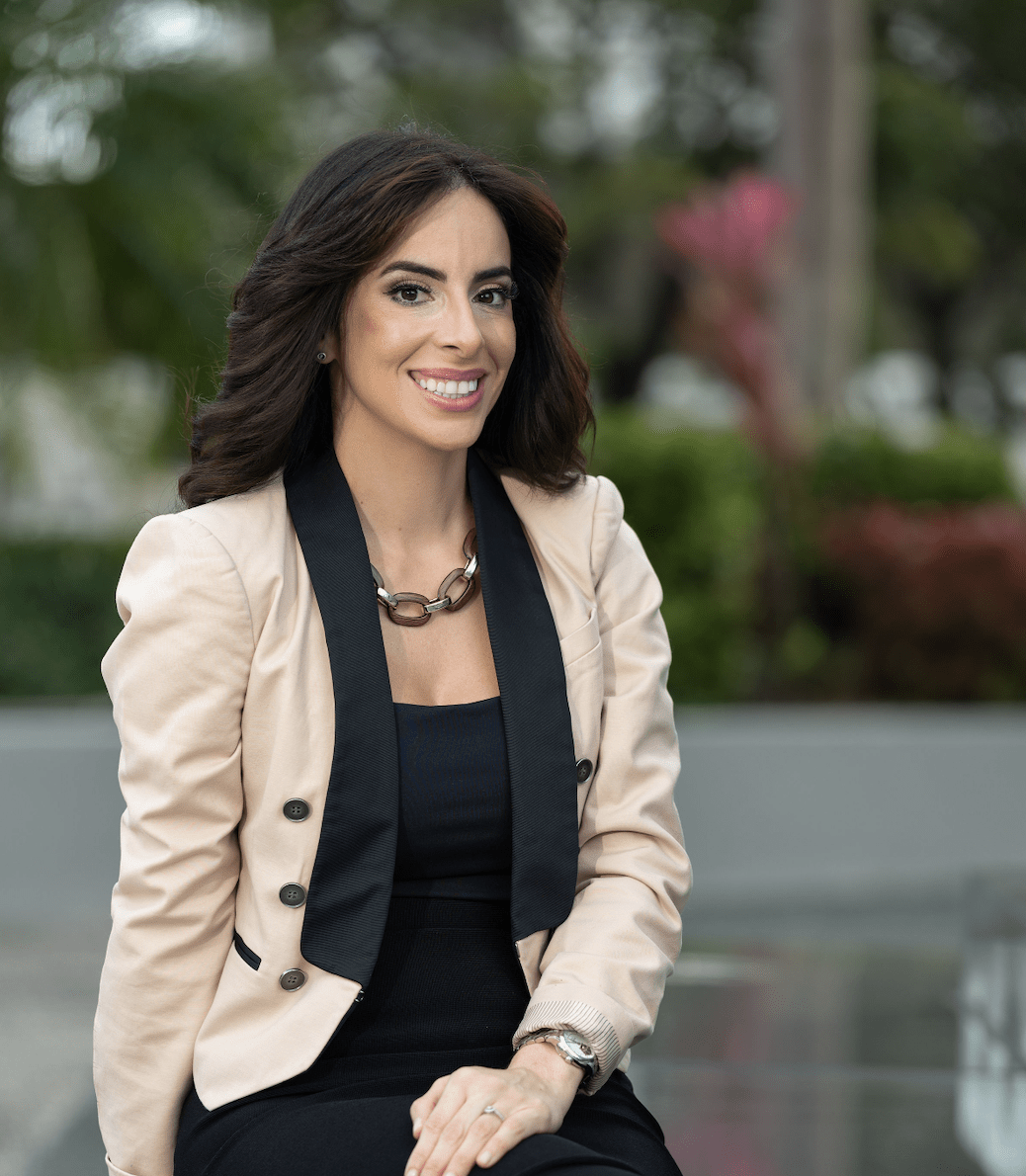
By Maria Isabel Santiago, Esq.
Buying real estate in Puerto Rico is not the same as buying on the mainland, and the buyers with the smoothest transactions understand that going in. As both a corporate attorney and a licensed real estate broker, I know where mainland assumptions create problems.
Here's what every buyer needs to know before making an offer on buying real estate in Puerto Rico.
Key Takeaways
- Puerto Rico operates under a civil law system, not common law: This affects property rights, contracts, and closing procedures in ways that mainland buyers consistently underestimate
- The closing attorney is not your attorney by default: The notario manages the closing but represents neither party. Engaging your own legal representation is essential
- Closing costs have a different structure: Stamp taxes, registry fees, and notary fees create a cost profile unlike most mainland states. Budget 3 to 6 percent for cash closings and 5 to 8 percent for financed ones
- CRIM registration does not transfer automatically: Puerto Rico's property tax authority requires the new owner to register post-closing. Failing to do so creates future problems
The Civil Law System and the Notary's Role
The most important structural difference is the legal system that governs buying real estate in Puerto Rico.
- Civil law, not common law: Puerto Rico's legal framework traces to Spanish colonial rule, not English common law. The Puerto Rico Civil Code establishes requirements that do not exist in Florida, Texas, or any other state.
- The notario público: Every transaction requires a notary attorney: a licensed attorney who drafts, authenticates, and registers all property transfer documents. The notario prepares the escritura pública (public deed), oversees tax compliance, and files the certified copy with the Property Registry.
- The notario does not represent you: The closing notary manages the transaction but acts as counsel for neither party. I strongly recommend retaining separate legal representation before entering a contract.
- Notary fees: Set by Puerto Rico law at 0.5 to 1 percent of the transaction price, in addition to any separate legal representation.
What the notario's role does and does not include is the first thing I address with every off-island client.
The Property Registry and How Title Works
Puerto Rico uses a Torrens title system in which the Property Registry is the conclusive and authoritative record of ownership.
- All transactions must be recorded to be legally valid: A certified copy of the deed is filed at the Registro de la Propiedad. Ownership is only legally established once the registration is complete.
- Title search: A title search of the Registry confirms ownership and checks for liens, encumbrances, easements, and judgments before closing.
- CRIM registration: CRIM is Puerto Rico's property tax authority. Property tax registration does not automatically transfer to the new buyer. Missing this step creates penalties, back-tax complications, and difficulties at any future sale.
- Unpermitted structures: Unpermitted additions and structures are common on the island, particularly in rural and secondary markets. They cannot be legalized easily and can create financing, rental, and resale complications.
The Torrens system offers real clarity but requires proper navigation at every step.
Closing Costs: What Is Different and Why
Puerto Rico's closing cost structure differs from the mainland in the categories of costs and who pays them.
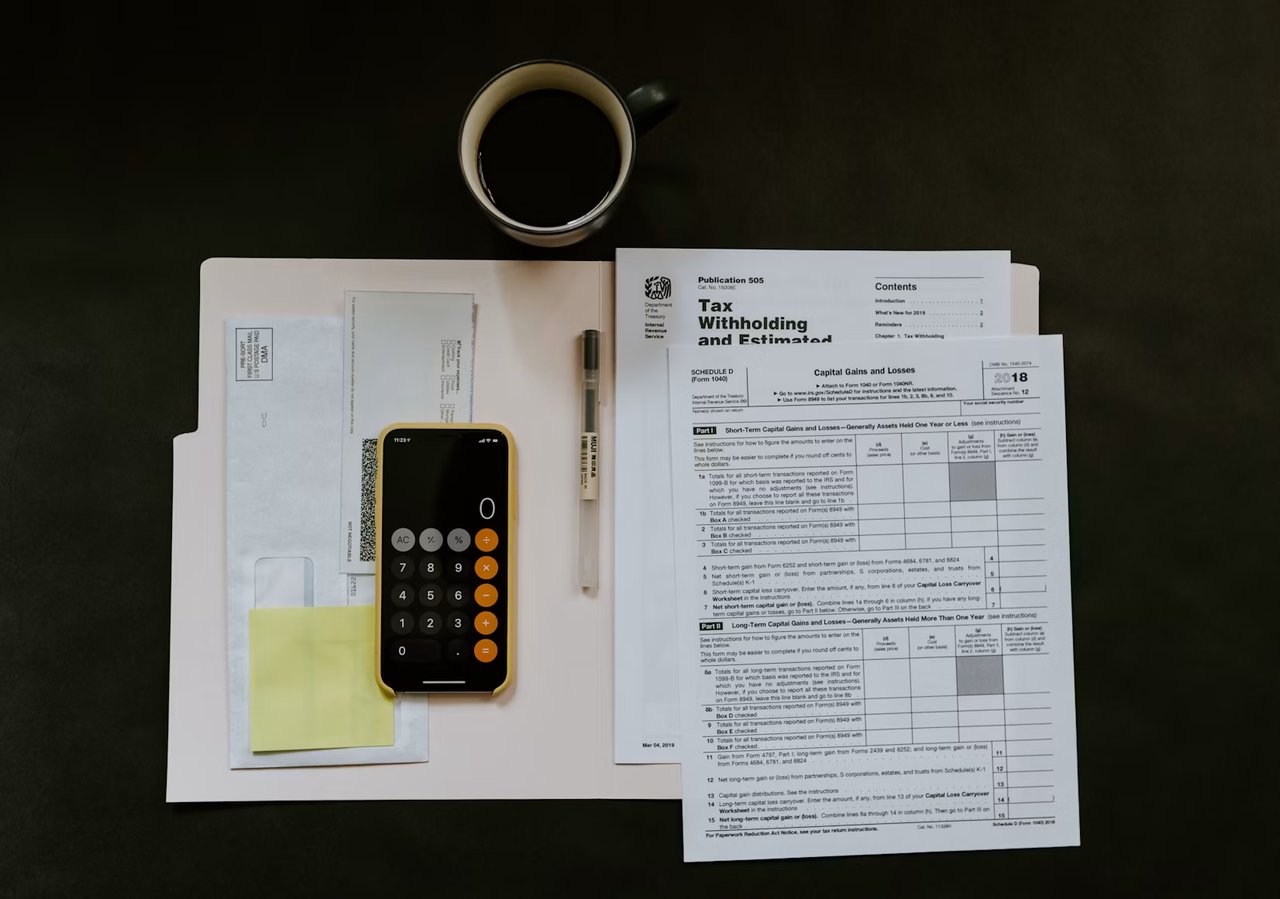
- Stamp taxes (sellos and comprobantes): Transfer-related stamp taxes apply to the deed and related filings, and are not typical in mainland closings. The transfer tax (stamps) runs approximately 0.15 percent of transaction value and the registry fee (comprobantes) approximately 0.4 percent, but exact amounts depend on the transaction structure and must be calculated by the closing notary.
- Total closing cost budget: Budget 3 to 6 percent for cash closings and 5 to 8 percent for financed closings. The stamp tax applies to the actual purchase price, not the assessed value, which matters significantly when those two numbers diverge, as they often do in luxury transactions.
- Who pays what: Allocation is determined by negotiation and the purchase contract. The seller typically bears costs related to canceling existing liens. The buyer typically bears Registry filing fees and stamps on the new deed. Your contract should explicitly state the allocation.
I always facilitate a detailed cost estimate before my clients finalize any offer.
Financing, Due Diligence, and Estate Planning
Financing and long-term ownership add several more factors that mainland buyers need to plan for.
- Mainland lenders may not be licensed in Puerto Rico: Not all mainland mortgage lenders are licensed to operate here. Many buyers discover this after an offer is accepted. Identifying a qualified local or mainland lender must happen early in the process.
- Financing terms differ: Interest rates run 0.5 to 1 percent higher than comparable mainland rates. Down payments for luxury properties commonly run 20 to 30 percent. Cash purchases are prevalent in San Juan and Dorado because the financing environment rewards them.
- CRIM property taxes: Generally lower than comparable mainland markets, assessed bi-annually on registered value.
- Forced heirship and estate planning: Puerto Rico's inheritance laws require a portion of an estate to pass to forced heirs (direct descendants and spouses). This differs fundamentally from testamentary freedom on the mainland.
The island rewards buyers who prepare and creates avoidable complications for those who assume the mainland playbook applies.
FAQs
Can I use my mainland real estate agent to buy in Puerto Rico?
Practically, I recommend against relying on an agent without current Puerto Rico transaction experience. The differences in contract language, closing process, Registry procedure, and CRIM compliance are specific to this jurisdiction, and an agent who does not understand them cannot protect your interests where it matters.
Is title insurance available and recommended in Puerto Rico?
Yes. The Torrens system provides meaningful clarity, but it does not protect against errors in the Registry, fraud, or claims not yet recorded at the time of your search. Owner's title insurance covers these risks. Lenders typically require a lender's policy if you finance.
What should I expect the timeline to look like from offer to close?
Plan for 60 to 90 days from accepted offer to close for a financed transaction, and 30 to 45 days for a cash transaction when documents are ready. The Registry filing adds time beyond the closing date itself.
Ready to Buy in Puerto Rico?
I work across San Juan, Dorado, Rincon, and throughout Puerto Rico as both a licensed real estate broker and a corporate attorney who handles the full transaction: legal representation, title review, and CRIM compliance included.
Contact me, Maria Isabel Santiago, Esq., to continue your journey toward property ownership in Puerto Rico.
Contact me, Maria Isabel Santiago, Esq., to continue your journey toward property ownership in Puerto Rico.