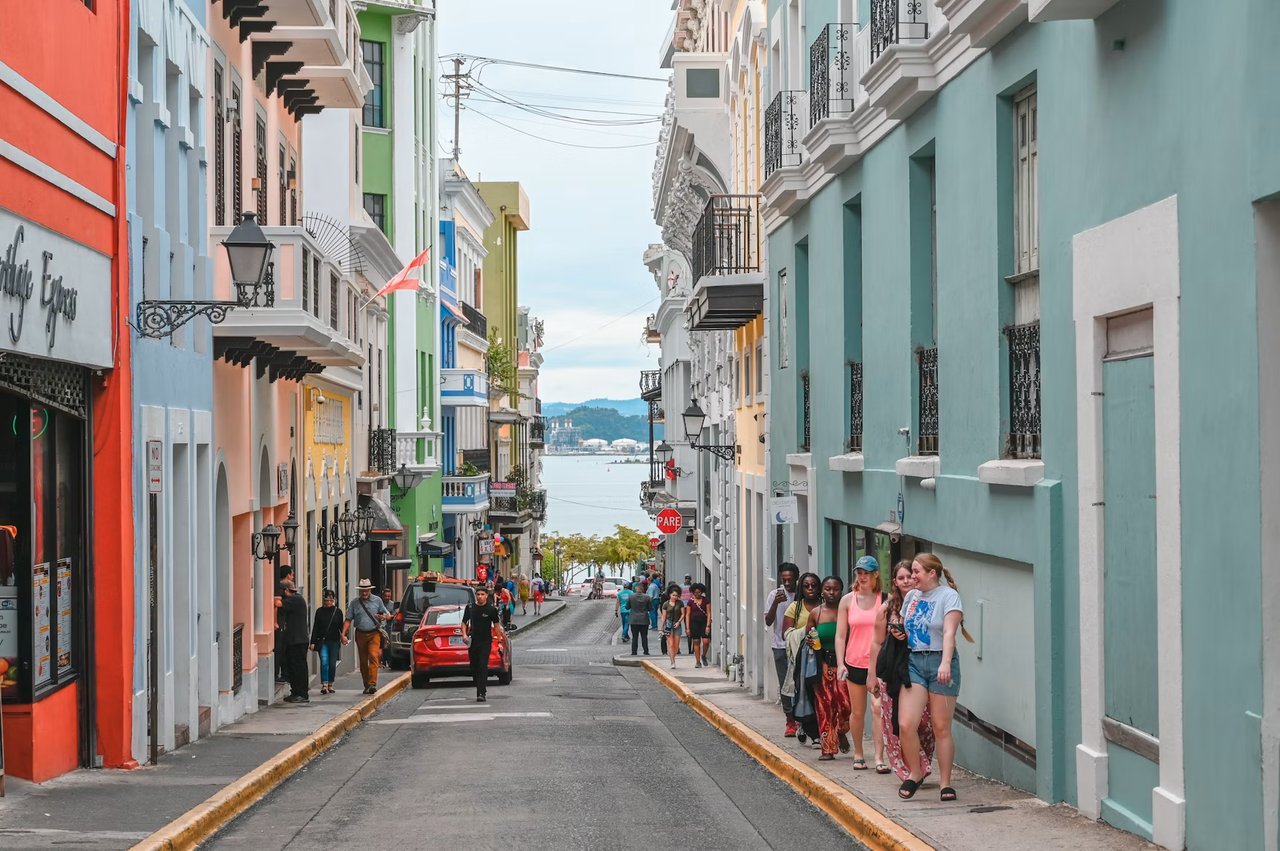
By the time a luxury real estate transaction in San Juan or Dorado reaches its closing stages, you've cleared the majority of the deal's major hurdles, and only the final accounting remains, including closing costs.
Closing costs in Puerto Rico differ in a few ways from mainland US markets. The legal framework, the notarial system, the property tax structure, and the nuances of resort communities all shape the closing financial requirements. And when securing a high-end deal in San Juan or, more notably, Dorado and one of its celebrated beach communities, these final details often matter most.
The Role of the Notary
Puerto Rico operates under a civil law system influenced by Spanish legal tradition. Title companies are less prevalent here than in the US.
Instead, a Puerto Rico Notary Public, who is also a licensed attorney, executes all property transfers. The notary prepares and formalizes the public deed, verifies the legality of the transfer, ensures compliance with registry requirements, and oversees recording with the Property Registry.
Foundational to every residential transaction in Puerto Rico, without the notarial act, ownership does not legally transfer.
For buyers relocating from Florida, Texas, or California, this structure can feel unfamiliar. In Puerto Rico, the notary is central to the validity of the transaction.
Instead, a Puerto Rico Notary Public, who is also a licensed attorney, executes all property transfers. The notary prepares and formalizes the public deed, verifies the legality of the transfer, ensures compliance with registry requirements, and oversees recording with the Property Registry.
Foundational to every residential transaction in Puerto Rico, without the notarial act, ownership does not legally transfer.
For buyers relocating from Florida, Texas, or California, this structure can feel unfamiliar. In Puerto Rico, the notary is central to the validity of the transaction.
Closing Costs: What the Buyer Typically Pays
Buyer closing costs in Puerto Rico vary depending on whether the purchase is financed or all-cash. Whether closing a deal in Old San Juan, Rio Del Mar, or along Dorado Beach, most buyers should anticipate budgeting for the following:
For Financed Purchases:
- Appraisal fee
- Loan origination and lender fees
- Mortgage deed notary fees
- Property Registry recording fees
- Mortgage registration fees
- Hazard insurance
- Flood insurance (if applicable)
- Title study and optional title insurance
- Property tax (CRIM) prorations
For Cash Purchases:
- Deed preparation notary fee
- Recording and registry fees
- Title study
- Optional title insurance
For CRIM prorations, buyers should anticipate approximately 1%–3% of the purchase price for cash transactions, and approximately 3%–5% (potentially more) when financing is involved. You'll also want to note that some luxury properties with higher valuations, complex financing structures, or resort obligations may exceed these ranges.
Title Insurance: Optional but Advisable
Unlike many mainland markets where title insurance is standard and often assumed, in Puerto Rico, it is optional.
That does not mean to overlook it.
The Property Registry system in Puerto Rico is reliable but historically slow. Recording backlogs, historical ownership complexity, or prior liens requires careful review. A thorough title study is essential, and title insurance provides an additional layer of protection, particularly in high-value transactions.
For a multi-million-dollar estate, title insurance, even at the expense of marginal savings, can be a wise choice.
That does not mean to overlook it.
The Property Registry system in Puerto Rico is reliable but historically slow. Recording backlogs, historical ownership complexity, or prior liens requires careful review. A thorough title study is essential, and title insurance provides an additional layer of protection, particularly in high-value transactions.
For a multi-million-dollar estate, title insurance, even at the expense of marginal savings, can be a wise choice.
Closing Costs: What the Seller Typically Pays
Seller closing costs in Puerto Rico follow a different structure. Most commonly, sellers are responsible for:
- Real estate commission (often 5%–6%, though some buyers may choose to cover their broker's commission)
- Deed preparation fees (if negotiated that way)
- CRIM property tax prorations
- HOA fee prorations
- Outstanding utility balances
- Capital gains tax, if applicable
Puerto Rico does not impose a statewide transfer tax in the same way as some US states do. However, capital gains treatment varies depending on residency status, holding period, and tax incentives such as Act 60.
Sellers with Act 60 status or unique tax positioning should consult a tax advisor before closing.
Sellers with Act 60 status or unique tax positioning should consult a tax advisor before closing.
CRIM Property Tax: A Common Point of Confusion
The Centro de Recaudación de Ingresos Municipales (Municipal Revenue Collection Center) or CRIM administers property taxes in Puerto Rico.
Luxury buyers relocating to Puerto Rico often expect property taxes to mirror those on the mainland US, where assessed value closely tracks purchase price. The island, however, manages this a bit differently.
Property tax rates include both state and municipal tax rates. Assessments often stem from historical valuation formulas that may not immediately reflect the current purchase price. In some cases, reassessments occur over time rather than at the moment of sale.
The implications are twofold:
Luxury buyers relocating to Puerto Rico often expect property taxes to mirror those on the mainland US, where assessed value closely tracks purchase price. The island, however, manages this a bit differently.
Property tax rates include both state and municipal tax rates. Assessments often stem from historical valuation formulas that may not immediately reflect the current purchase price. In some cases, reassessments occur over time rather than at the moment of sale.
The implications are twofold:
- Current tax bills may appear lower than expected relative to the purchase price.
- Future reassessment could alter the tax structure depending on property improvements or regulatory changes.
Prorations at closing allocate the current year's tax burden between buyer and seller. However, long-term tax planning should not rely solely on the most recent CRIM bill.
HOA and Resort Transfer Considerations in Dorado
Particularly prevalent in Dorado's gated luxury enclaves, additional financial layers may exist in the form of HOA fees.
Depending on the neighborhood, buyers may encounter:
Depending on the neighborhood, buyers may encounter:
- HOA transfer fees
- Capital contribution fees
- Special assessments (derramas)
- Club membership transfer fees
- Golf equity deposits
- Resort amenity initiation costs
Inside resort-branded communities, access to beach clubs, golf facilities, or spa privileges may require separate membership agreements. These are not automatically embedded in the deed transfer or due at closing, but, if applicable, you should account for them to ensure a clear financial picture at closing and for your first months of ownership.
In Dorado Beach East or similar enclaves, these obligations can meaningfully exceed standard municipal fees. Review HOA budgets, reserve studies, and pending assessments before closing.
In Dorado Beach East or similar enclaves, these obligations can meaningfully exceed standard municipal fees. Review HOA budgets, reserve studies, and pending assessments before closing.
Insurance and Coastal Considerations
Insurance underwriting in coastal Puerto Rico adds another dimension to closing costs.
Hazard insurance is mandatory for financed purchases. Flood insurance may be required depending on the FEMA flood zone designation. Windstorm exposure, hurricane-rated construction, and proximity to shoreline influence premium pricing.
Underwriters often request inspection reports, roof-age documentation, and hurricane-mitigation certifications before binding coverage.
Buyers should secure insurance quotes early in escrow to avoid last-minute premium surprises.
Hazard insurance is mandatory for financed purchases. Flood insurance may be required depending on the FEMA flood zone designation. Windstorm exposure, hurricane-rated construction, and proximity to shoreline influence premium pricing.
Underwriters often request inspection reports, roof-age documentation, and hurricane-mitigation certifications before binding coverage.
Buyers should secure insurance quotes early in escrow to avoid last-minute premium surprises.
Wire Timing and Registry Delays
Funds are wired before the notarial signing. After execution, the deed is submitted to the Property Registry for recording.
Recording can take months due to the administrative backlog. This delay does not invalidate ownership but affects when the updated title appears in official registry records.
As a luxury buyer, retaining the services of an attorney well-versed in Puerto Rico real estate law (who also performs notarial services) can not only assist you with monitoring registration progress but also help guide you through the entire closing process.
Recording can take months due to the administrative backlog. This delay does not invalidate ownership but affects when the updated title appears in official registry records.
As a luxury buyer, retaining the services of an attorney well-versed in Puerto Rico real estate law (who also performs notarial services) can not only assist you with monitoring registration progress but also help guide you through the entire closing process.
Discover More of Puerto Rico Luxury Real Estate with a Trusted Local Expert
If you're interested in learning more about Puerto Rico's real estate market, including exploring San Juan or Dorado luxury homes, or if you're considering listing a property for sale, contact Reserve PR Real Estate today to start your island real estate journey.