By Maria Isabel Santiago, Esq.
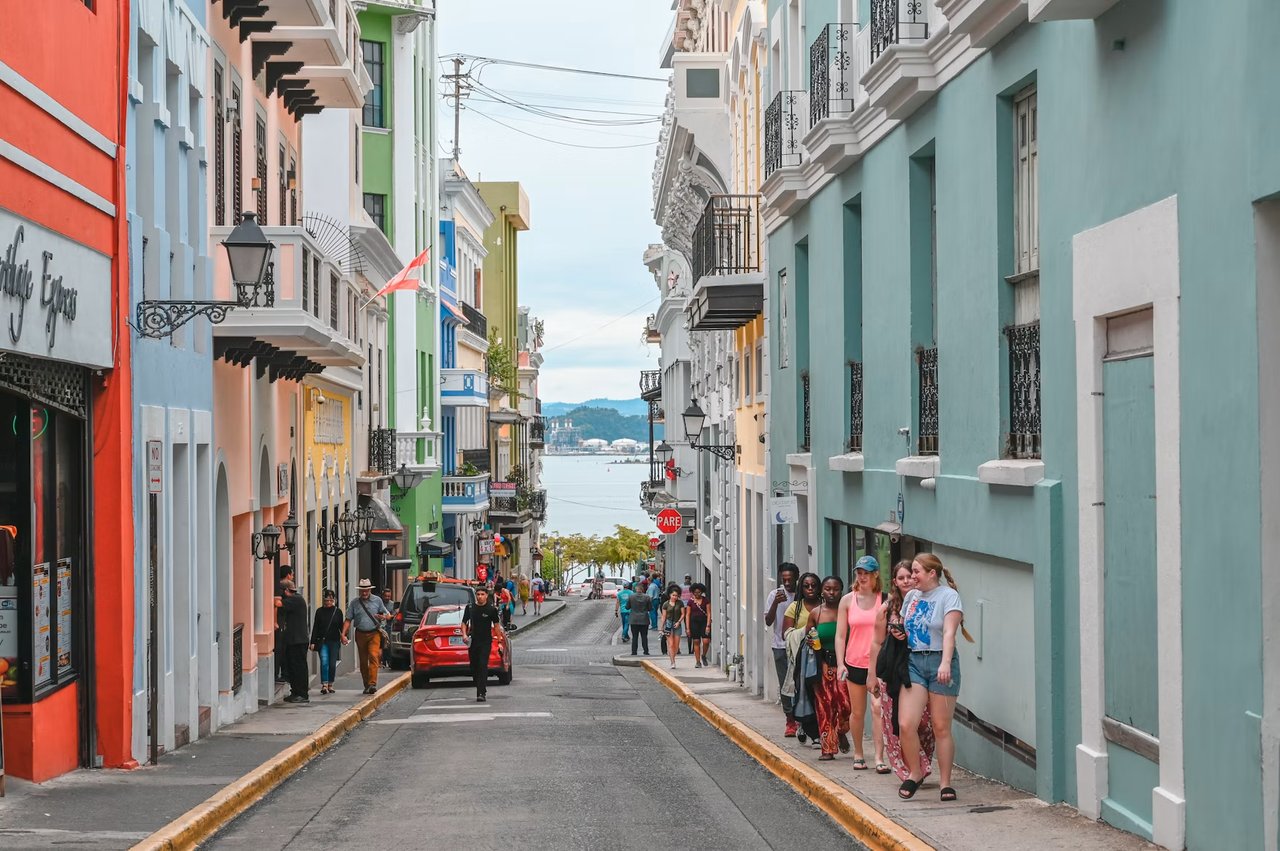
When you buy a home in Dorado, Condado, or Old San Juan, you are stepping into a legal tradition that differs from the one used in the 50 states. Puerto Rico follows a civil law system rooted in Spanish law, while the mainland relies on common law. We want you to understand that difference before you sign anything, because it affects how title is proven, who oversees your closing, and how your ownership is protected. The good news is that the system is organized, well documented, and works in your favor when you have the right guidance.
Key Takeaways
- Puerto Rico uses civil law, not common law
- Notaries and the Property Registry anchor every transaction
- Easements, condos, and the coast can shape what you own
- A thorough title study protects your investment
A Civil Law Foundation With Spanish Roots
Puerto Rico's private law grew out of the Spanish Civil Code, and the island adopted a modernized Civil Code in 2020 that updated how property, contracts, and obligations are governed. Federal law still applies here, but the Civil Code sets the framework for ownership. Written codes and statutes carry more weight than prior court rulings when it comes to defining your rights as an owner.
What the Civil Code Covers in a Purchase
- Ownership (dominio) and the rights that come with it, including use, enjoyment, and disposal
- Usufruct, which separates the right to use a property from bare ownership
- Easements (servidumbres) that burden or benefit a parcel
- Contract rules that apply to purchase agreements and the obligations of buyer and seller
The Notary's Central Role in Every Closing
Notaries in Puerto Rico are licensed attorneys with broader authority than notaries on the mainland. They draft and authorize the public deed (escritura pública), which gives your transaction its legal weight. Whether you are closing on an oceanfront home in Rincón or a penthouse in Isla Verde, the notary is a key figure at the table.
What a Notary Handles at Closing
- Verifying the identity and legal capacity of the parties
- Explaining the legal effect of the deed in clear terms
- Authorizing the public deed and preserving the original in the notary's protocol
- Presenting the deed for registration after closing
The Property Registry and Your Title
Puerto Rico's Property Registry (Registro de la Propiedad) records ownership, mortgages, and other rights tied to real estate. Registration generally protects you against third parties who may later claim an interest in the property. Recording a mortgage is also what gives it full legal effect, so the Registry shapes both ownership and financing.
Why a Title Study Matters
- Confirms who holds recorded ownership
- Reveals mortgages, liens, and attachments
- Flags easements, restrictions, and gaps in the chain of title
- Identifies properties with unresolved ownership history before you commit
Many buyers also add title insurance for another layer of protection. In a market where luxury homes can carry decades of recorded history, we consider a full title review a non-negotiable step.
Easements, Condos, and the Coast
Luxury properties often carry layered rights. Condominium buildings in Condado and Isla Verde fall under Puerto Rico's Horizontal Property Act, which sets rules for common areas and owner responsibilities. Coastal homes in Dorado, Rincón, and Palmas del Mar in Humacao may also border the maritime-terrestrial zone, which is public domain.
Details to Review Before You Buy
- Recorded easements for access, utilities, or views
- Condominium bylaws, monthly fees, and reserve policies
- Distance from the maritime-terrestrial zone and any required permits
- Existing permits and zoning for additions, docks, or pools
These details can change how you use and enjoy a property, so we walk through each one with you early in the process.
Frequently Asked Questions
Is the Puerto Rico closing process the same as on the mainland?
Not exactly. We rely on a notary-led public deed and a registry inscription instead of the escrow-driven approach common in many states. We make sure you know each step and what it means for your ownership before closing day.
Do I need my own attorney if a notary is already involved?
The notary acts as a neutral authority for the transaction, so we recommend having your own counsel in your corner. Your attorney can review the title study, the purchase agreement, and any restrictions before you commit. That extra review often prevents surprises later.
Is buying a condo different from buying a house?
Yes. A condo purchase involves the master deed, bylaws, and fee structure under the Horizontal Property Act in addition to the unit itself. We review those documents with you so you understand your rights and obligations as a unit owner.
Contact Maria Isabel Santiago, Esq. Today
Owning property in Puerto Rico can be a rewarding investment when you understand the legal framework behind it. Here at Maria Isabel Santiago, Esq., we combine legal knowledge of the island's civil law system with a deep understanding of its luxury markets, from the beaches of Dorado to the historic streets of Old San Juan.
If you are ready to buy, sell, or simply ask questions about your options, reach out to us at Maria Isabel Santiago, Esq.. We will help you move forward with clarity, confidence, and a clear understanding of what you own.